

FOR IMMEDIATE RELEASE
[City, State] – [Date of Publication] – As the Northern Hemisphere officially ushered in astronomical summer with the solstice, marking the year’s longest day, the world of technology continues its rapid evolution, presenting both challenges and groundbreaking advancements. From the contentious debate surrounding digital ownership in the gaming industry to innovative solutions for military supply chains and the next generation of planetary exploration, the landscape of innovation is constantly shifting. This report delves into key developments, examining their immediate impact and long-term implications across diverse sectors.
The Digital Ownership Dilemma: Gamers Challenge Sony’s Licensing Model
Main Facts:
A significant legal battle is brewing in California, where a group of four gamers has filed a lawsuit against entertainment giant Sony. The core of their claim asserts that Sony is violating state law by failing to adequately inform consumers that their digital game purchases on the PlayStation platform do not confer actual ownership but merely a revocable license. This legal challenge, if successful, could send ripples throughout the entire digital entertainment industry, redefining consumer rights in the age of digital content.
Chronology:
The lawsuit, initiated by legal representatives on behalf of the aggrieved gamers, stems from a long-standing point of contention for digital consumers: the distinction between purchasing a physical good and acquiring a digital license. While the specific filing date is recent, the underlying issue has simmered for years, fueled by instances where digital content has been delisted, modified, or even revoked without restitution to the "purchaser." This case highlights the growing friction between traditional notions of ownership and the evolving legal frameworks governing digital distribution. The plaintiffs allege that Sony’s current disclosures are insufficient under California law, which mandates clarity regarding the nature of digital transactions.
Supporting Data:
At the heart of the dispute lies the End-User License Agreement (EULA), a legal contract that users typically "agree" to—often without reading—before accessing digital content. These agreements commonly state that the consumer is granted a non-exclusive, non-transferable license to use the software, rather than outright ownership. This allows publishers to maintain control over the content, including the ability to update, modify, or even terminate access. Historically, this model has been largely unchallenged in court, establishing a de facto industry standard across platforms like Steam, Xbox, Nintendo, and various PC game launchers.
The plaintiffs argue that, despite the presence of such clauses, Sony’s marketing and sales practices create a misleading impression of ownership. They contend that the "buy" button and the typical transaction process mimic traditional retail purchases, leading consumers to believe they are acquiring a permanent asset. The lawsuit seeks to clarify that digital storefronts must explicitly and prominently disclose the licensing nature of transactions, moving beyond the often-obscure "fine print."
Official Responses:
While Sony has not yet issued a public statement directly addressing the specifics of this new filing, their legal defense is anticipated to rely heavily on the existing EULA. Their argument will likely center on the premise that these agreements are legally binding contracts, and the terms of service, which detail the licensing model, are accessible to all users. They may also point to the common industry practice, suggesting that their approach is consistent with other major digital distributors. However, the court’s interpretation of "clear" disclosure under California law will be crucial. If the judge finds the current disclosures inadequate, it could compel Sony and, by extension, other platforms, to implement more transparent purchasing processes.
Implications:
The ramifications of this lawsuit could be profound and far-reaching. Should the court side with the gamers, it could necessitate a paradigm shift in how digital content is sold and advertised. Companies might be forced to overhaul their storefront interfaces, making the licensing terms unequivocally clear at the point of purchase. This could empower consumers with greater transparency and potentially lead to new legal precedents regarding digital consumer rights, pushing for stronger protections against arbitrary content revocation. Conversely, a ruling in Sony’s favor would reinforce the current licensing model, potentially solidifying the industry’s existing practices and leaving consumers with limited recourse regarding their "purchased" digital assets. This case underscores the ongoing tension between technological advancement, business models, and evolving consumer expectations in the digital age.
Resurrecting a Classic: F-15 Strike Eagle II’s Open-Source Revival
Main Facts:
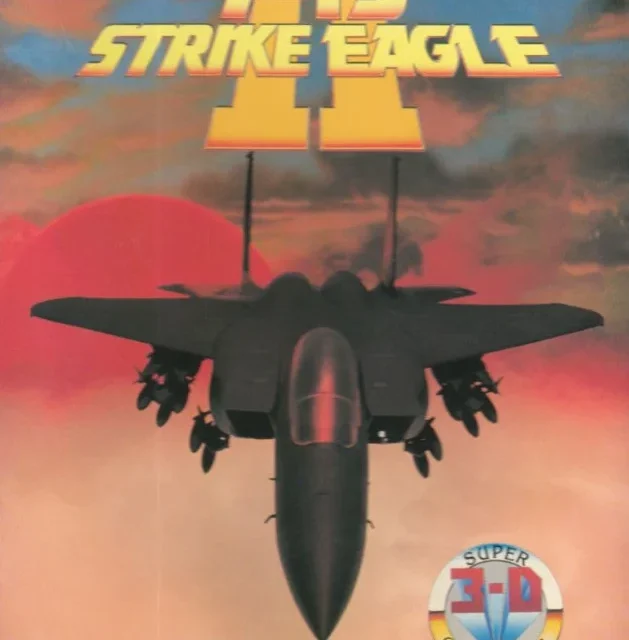
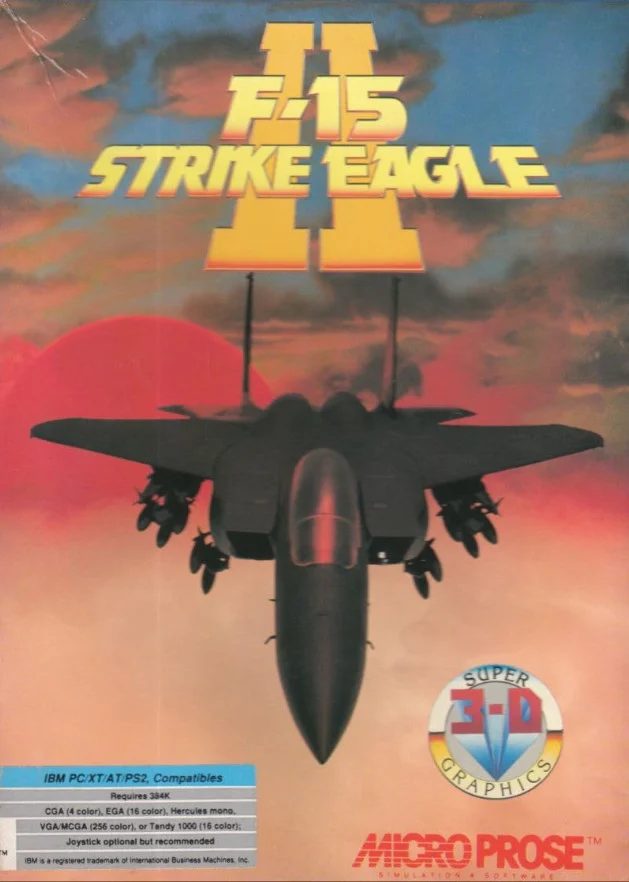
In a significant development for retro gaming enthusiasts and software preservationists, the group Neuvieme Porte is actively engaged in a ambitious project to reverse-engineer the 1989 PC classic, F-15 Strike Eagle II. Their goal is to re-implement the entire flight simulator in portable C, promising a new lease on life for the venerable title and opening doors for future enhancements and platform compatibility.
Chronology:
The project, which has been underway for some time, represents a dedicated effort to unravel the intricacies of a game originally developed for DOS-era personal computers. The reverse-engineering process involves meticulously deconstructing the original machine code to understand its logic, algorithms, and data structures. Having made substantial progress, Neuvieme Porte has now reached a crucial phase: recruiting virtual test pilots. This call to action, announced recently, seeks individuals with extensive experience playing the original F-15 Strike Eagle II during its heyday.
Supporting Data:
F-15 Strike Eagle II, developed by MicroProse, was a seminal title in the flight simulation genre, renowned for its detailed graphics (for its time), engaging gameplay, and realistic portrayal of air combat. The technical challenges of reverse engineering such a title are immense. It requires deep knowledge of assembly language, DOS architecture, and the specific programming techniques prevalent in the late 1980s. Re-implementing it in portable C means translating these low-level functionalities into a high-level language that can be compiled and run on a wide array of modern operating systems and hardware platforms, circumventing the compatibility issues that plague many retro games.
The project’s philosophy is particularly interesting: the immediate goal is to create an exact replica of the original game, including its bugs. This necessitates test pilots who can differentiate between an authentic "original bug" and a newly introduced error in the C re-implementation. This meticulous approach ensures fidelity to the original experience, a cornerstone of effective game preservation. The community aspect is vital, as the collective memory and expertise of long-time fans are invaluable for validating the accuracy of the reverse-engineered code.
Official Responses:
Neuvieme Porte’s public call for test pilots, disseminated through their project blog and GitHub repository, serves as the primary "official response" from the development team. Their message emphasizes the need for seasoned players who can provide critical feedback, ensuring the C version perfectly mirrors the original. The project leader’s statement underscores the commitment to authenticity, stating that "bugs present in the original release are to be preserved." This commitment highlights the dedication to historical accuracy and the nuanced understanding of what makes a classic game truly a classic.
Implications:
The successful re-implementation of F-15 Strike Eagle II in portable C would unlock a multitude of possibilities. It could lead to official or community-driven ports to modern operating systems (Windows, macOS, Linux) and potentially even other platforms. Furthermore, an open-source C codebase would facilitate the addition of new features, content, and modifications, breathing new life into a decades-old game. This project exemplifies the broader game preservation movement, which seeks to ensure that historical video games remain accessible and playable for future generations, preventing them from being lost to obsolescence. It also showcases the power of open-source collaboration and the passion of dedicated communities in preserving digital heritage.

Securing the Skies: Phoenix Semiconductor’s Critical Chip Mission
Main Facts:
A novel startup named Phoenix Semiconductor is tackling a critical national security issue: the obsolescence of vital microchips in military hardware. Featured recently in IEEE Spectrum, the company specializes in producing bespoke, pin-compatible replacements for legacy chips, ensuring that essential defense systems, such as F-18 fighter jets, remain operational despite the original components no longer being manufactured.
Chronology:
The challenge of maintaining decades-old military equipment is not new, but the increasing scarcity of specific legacy semiconductor components has escalated into a pressing concern. Many critical systems, designed in the 1970s and 80s, rely on chips that are no longer commercially produced. This creates a severe supply chain vulnerability, threatening the operational readiness of expensive assets. Phoenix Semiconductor emerged as a direct response to this need, identifying a lucrative and strategically important niche. Their work has recently gained wider recognition, with IEEE Spectrum detailing their innovative approach to overcoming these supply chain hurdles.
Supporting Data:
The economic rationale behind Phoenix Semiconductor’s model is compelling. As IEEE Spectrum highlighted, the Air Force faces the prospect of grounding a $70+ million F-18 fighter jet because it requires a specific chip that originally cost a mere dollar in 1975. The cost of grounding and maintaining such an aircraft vastly outweighs the expense of a custom-manufactured replacement part, even if that part now costs $1,000. Phoenix Semiconductor’s strategy is not to simply recreate the original chips identically. Instead, they focus on building "drop-in replacements" that adhere to the "form, fit, and function" principle. This means the new chip must physically fit into the original socket (form), connect to the same pins (fit), and perform the exact same electrical function (function) as the obsolete part. The internal architecture or manufacturing process of the new chip may be entirely different and leverage modern semiconductor techniques, as long as the external behavior is indistinguishable from the original. This allows for greater flexibility and cost-effectiveness in production.
The ability to provide these tailored solutions is crucial for military readiness. It reduces dependence on dwindling stockpiles, eliminates the need for costly and time-consuming redesigns of entire systems, and mitigates the risks associated with reverse-engineering existing chips, which can be legally complex and technically demanding.
Official Responses:
While no direct official statement from the military is provided, the article strongly implies the Air Force’s willingness to invest significantly in these bespoke solutions. The economic argument—preventing the grounding of multi-million dollar assets—serves as a powerful incentive. Phoenix Semiconductor’s mission, as articulated in the IEEE Spectrum piece, is to provide these critical, niche solutions, demonstrating a clear understanding of the defense sector’s unique requirements and the high value placed on operational continuity. The very existence and business model of Phoenix Semiconductor serve as a testament to the military’s demand for such specialized components.
Implications:
Phoenix Semiconductor’s innovative approach holds significant implications for national security and the broader defense industry. It offers a viable pathway to sustain legacy military platforms, extending their operational lifespan and enhancing strategic readiness. This model could inspire similar initiatives in other sectors reliant on outdated hardware, such as critical infrastructure (e.g., power grids, transportation systems) or industrial control systems. Furthermore, it highlights a growing trend in specialized manufacturing, where advanced techniques are applied to solve niche, high-value problems, rather than focusing solely on mass production. The success of companies like Phoenix Semiconductor could reshape how industries approach the maintenance and modernization of long-lived, complex technological systems.
Next-Generation Exploration: NASA’s ERNEST Rover Redefines Martian Mobility
Main Facts:
NASA’s Jet Propulsion Laboratory (JPL) recently unveiled details about its groundbreaking prototype, the Exploration Rover for Navigating Extreme Sloped Terrain (ERNEST). This advanced rover promises to revolutionize planetary exploration with its significantly increased speed, superior agility through an active suspension system, and enhanced autonomous decision-making capabilities, overcoming key limitations of current Mars rovers.
Chronology:
The development of ERNEST builds upon decades of experience gained from iconic missions like Curiosity and Perseverance on Mars. While these rovers have delivered unprecedented scientific insights, their operational pace is slow and deliberate, necessitated by the need for extreme caution to avoid hazards and conserve resources. Earlier this week, JPL published a comprehensive blog post detailing the innovative features and ongoing testing of ERNEST, signaling a major leap forward in planetary rover technology. The project reflects NASA’s continuous pursuit of more efficient and capable robotic explorers for future lunar and Martian missions.
Supporting Data:
The limitations of current rovers like Curiosity and Perseverance are primarily their speed and the extensive human oversight required. They traverse terrain slowly, often requiring Earth-based operators to meticulously plan every move to prevent getting stuck or damaging components. This process is further complicated by the significant communication delays between Earth and Mars, which can range from 3 to 22 minutes each way.
ERNEST addresses these challenges head-on. It is designed to be several times faster than its predecessors, dramatically increasing the ground covered per sol (Martian day). A key innovation is its active suspension system, which allows each wheel to be lifted and articulated independently. This capability enables ERNEST to navigate highly irregular and extreme sloped terrains with unprecedented stability and control, dynamically adjusting its posture to overcome obstacles that would immobilize older designs. The rover’s enhanced autonomy is another critical feature. Current rovers rely heavily on commands from Earth, often stopping to "ask for directions." ERNEST, in contrast, is equipped with advanced algorithms and onboard processing power that allow it to make more sophisticated navigation decisions independently, minimizing the need for constant human intervention. This improved autonomy is crucial for maximizing scientific output, particularly on Mars where communication delays significantly impact operational efficiency.
The video released by JPL, "Learning All-Terrain Locomotion for a Planetary Rover With Actively Articulated Suspension," visually demonstrates ERNEST’s impressive capabilities, showcasing its ability to adapt to challenging landscapes in real-time.
Official Responses:
JPL’s detailed blog post serves as the primary official communication regarding ERNEST, outlining NASA’s vision for the future of planetary exploration. The emphasis is clearly on accelerating the pace of discovery and enabling more ambitious missions. The laboratory highlights that ERNEST’s advancements in speed, agility, and autonomy are not just incremental improvements but fundamental shifts that will allow future rovers to undertake more complex scientific investigations and cover larger areas. The underlying message is a commitment to developing robotic explorers that can operate more independently and efficiently in hostile extraterrestrial environments, thereby maximizing the scientific return on investment.
Implications:
ERNEST represents a significant paradigm shift in planetary exploration. Its enhanced speed and autonomy will allow future rovers to explore larger and more challenging areas on the Moon and Mars, potentially leading to faster discoveries of water ice, geological formations, or signs of past life. The active suspension system opens up previously inaccessible terrains, expanding the scope of scientific inquiry. For Mars missions, the reduced reliance on Earth-based command cycles means more time spent on scientific tasks and less on communication overhead, effectively increasing the rover’s "working hours." This technology could also pave the way for more sophisticated human-robot collaboration in future crewed missions, with autonomous rovers acting as advanced scouts and support vehicles. ERNEST signifies a bold step towards a future where robotic explorers are not just extensions of human will, but highly capable, semi-independent agents of discovery across the solar system.
Conclusion
From the legal complexities of digital ownership that challenge the very definition of a "purchase" in the 21st century, to the dedicated efforts preserving gaming history, the innovative solutions securing critical military assets, and the ambitious designs propelling humanity’s reach further into space, the technological landscape remains a dynamic arena. These diverse developments, though seemingly disparate, collectively underscore a period of intense innovation, adaptation, and redefinition across various sectors, promising both new challenges and unprecedented opportunities for progress. As the days begin to shorten after the solstice, the human drive for discovery and refinement shows no signs of dimming.
